
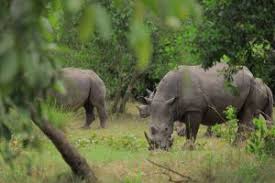
In January 2026, the Uganda Wildlife Authority (UWA) successfully initiated the first-ever translocation of rhinos from Ziwa Rhino Sanctuary to Ajai Wildlife Reserve, marking a historic return of the species to the West Nile region after more than 40 years. This initiative is part of a national program to reintroduce a total of 20 southern white rhinos to the 148-square-kilometer reserve.
Rhino translocation is one of the most powerful conservation strategies used to restore species to landscapes where they once thrived. In Uganda, the movement of rhinoceroses from Ziwa Rhino Sanctuary to Ajai Wildlife Reserve represents a major step in rebuilding the country’s rhino population and expanding conservation efforts beyond a single protected area. The operation contributes to national biodiversity recovery, ecosystem restoration, and sustainable tourism development.
Once widespread across Uganda’s savannahs, wetlands, and woodlands, rhinos were completely wiped out by the early 1980s due to poaching, political instability, and habitat destruction. Today, thanks to dedicated conservation organizations and government agencies, Uganda’s rhino population is slowly recovering.
This article explores the historical context, planning process, ecological importance, challenges, community involvement, and long-term conservation impact of translocating rhinos from Ziwa to Ajai.
Historical Background of Rhinos in Uganda
Uganda was once home to both black rhinos (Diceros bicornis) and white rhinos (Ceratotherium simum). These majestic animals roamed across vast areas, including Murchison Falls, Kidepo Valley, Queen Elizabeth National Park, and Ajai Wildlife Reserve. However, from the 1960s through the 1980s, rampant poaching driven by demand for rhino horn, combined with political unrest and weak law enforcement, led to their complete extinction in the wild.
By 1983, Uganda officially had zero rhinos left in its national parks. This loss marked one of the most tragic chapters in the country’s conservation history.
Recognizing the urgency of restoring rhinos, conservationists and the Ugandan government established Ziwa Rhino Sanctuary in 2005, located in Nakasongola District. The sanctuary began with the introduction of six southern white rhinos donated by international conservation partners. Through careful breeding, protection, and monitoring, the population steadily increased.
Today, Ziwa hosts over 40 white rhinos, making it a conservation success story. However, maintaining all rhinos in a single location presents risks such as disease outbreaks, natural disasters, and genetic limitations. This reality led to the strategic decision to establish a second rhino population, with Ajai Wildlife Reserve chosen as a prime destination.
Why Ajai Wildlife Reserve?
Ziwa Rhino Sanctuary has been the heart of this recovery, serving as the only place in Uganda where wild rhinos currently exist. However, long-term success depends on establishing multiple secure populations, and Ajai Wildlife Reserve has been identified as a strategic second home for these iconic animals.
All this is explained in various reason why should Uganda Wildlife Authority use Ajai Wildlife Reserve as a sample areas for Rhino translocation process of reintroduction rhinos to their former wild spots. The reason are;
Ecological Suitability
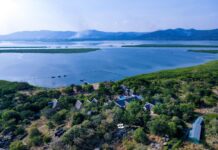
Ajai Wildlife Reserve, located in northwestern Uganda near the Albert Nile, offers ideal ecological conditions for rhinos. The reserve contains extensive savannah grasslands, wetlands, riverine forests, and permanent water sources, which provide abundant grazing and drinking opportunities.
Historically, Ajai supported significant populations of rhinos, elephants, buffaloes, and antelopes. Its landscape remains largely intact, making it highly suitable for rhino reintroduction.
Strategic Conservation Expansion
Expanding rhino populations beyond Ziwa helps reduce pressure on a single sanctuary and increases species resilience. Establishing rhinos in Ajai spreads conservation benefits geographically and strengthens Uganda’s national biodiversity recovery strategy.
Tourism and Economic Potential
Ajai Wildlife Reserve has immense potential for eco-tourism development. Rhino reintroduction is expected to increase tourist visits, stimulate local economies, create employment opportunities, and encourage infrastructure development in the region.
The Planning Process of Rhino Translocation
Translocating rhinos is a highly complex and delicate operation that requires years of preparation. Conservation organizations, including the Uganda Wildlife Authority (UWA), Rhino Fund Uganda, Ziwa Rhino Sanctuary, and international conservation partners, worked together to ensure every detail was carefully addressed.
Feasibility Studies
Before any translocation could occur, comprehensive studies were conducted to assess:
- Habitat suitability
- Availability of food and water
- Disease risks
- Human-wildlife conflict potential
- Security infrastructure
These studies confirmed Ajai’s readiness to host rhinos, provided necessary investments were made.
Infrastructure Development
Significant investments were made in:
- Perimeter fencing
- Ranger outposts
- Surveillance systems
- Veterinary facilities
- Road access
Security was a top priority to protect rhinos from poaching threats.
Rhino Selection
Only healthy individuals with strong genetic diversity were selected for relocation. Veterinary teams conducted full health checks, blood tests, and behavioral assessments to ensure the animals were fit for transport and adaptation.
The Translocation Operation: Step-by-Step
1. Immobilization and Veterinary Care
On the day of translocation, veterinary teams carefully tranquilized each rhino using specialized darting equipment. This process requires extreme precision, as incorrect dosage can endanger the animal.
Once sedated, rhinos were:
- Blindfolded to reduce stress
- Given oxygen support
- Monitored continuously
Their vital signs were closely observed throughout the operation.
2. Transportation
Rhinos were loaded into custom-designed steel crates and transported by specially reinforced trucks. The journey from Ziwa to Ajai took several hours, with constant veterinary supervision to ensure safety.
3. Soft Release at Ajai
Upon arrival, rhinos were initially kept in acclimatization enclosures, allowing them to gradually adapt to their new environment. This “soft release” strategy helps reduce stress and increases survival chances.
After several weeks of monitoring, rhinos were gradually allowed to roam freely within the protected reserve.
Ecological Impact of Rhino Reintroduction
Restoring Ecosystem Balance
Rhinos play a vital role as mega-herbivores. Their grazing patterns help shape vegetation structure, control invasive plant species, and maintain open grasslands that benefit other wildlife.
By reintroducing rhinos to Ajai, natural ecological processes are gradually being restored, enhancing overall biodiversity.
Supporting Other Species
Rhino trails create pathways for smaller animals, and their dung contributes to nutrient cycling and seed dispersal. This leads to improved soil fertility and habitat diversity.
Strengthening Conservation Corridors
Ajai serves as a key ecological corridor connecting multiple wildlife habitats. Rhino presence strengthens conservation value and encourages broader habitat protection.
Community Involvement and Socioeconomic Benefits
Local Community Engagement
Community participation is essential for successful conservation. Local residents around Ajai were actively involved through:
- Sensitization workshops
- Employment opportunities
- Conservation education programs
- Revenue-sharing initiatives
This engagement fosters positive attitudes toward wildlife and reduces poaching threats.
Job Creation
The project created employment opportunities in:
- Ranger services
- Tourism operations
- Hospitality
- Infrastructure development
This economic inclusion strengthens community support for conservation.
Tourism Development
Rhino tourism is one of Uganda’s fastest-growing attractions. Introducing rhinos to Ajai expands tourism circuits beyond traditional parks, distributing economic benefits across wider regions.
Challenges and Risks
Poaching Threats
Despite improved security, poaching remains the greatest threat to rhinos. High global demand for rhino horn necessitates constant surveillance, intelligence gathering, and armed ranger patrols.
Disease Transmission
Moving animals between ecosystems carries disease risks. Strict veterinary protocols, quarantine procedures, and ongoing health monitoring are essential to mitigate these threats.
Human-Wildlife Conflict
As rhinos expand their range, potential conflicts with farmers may arise. Community awareness, compensation mechanisms, and buffer zones help minimize such conflicts.
Long-Term Conservation Significance
Building a National Rhino Metapopulation
The establishment of rhinos at Ajai marks the beginning of Uganda’s multi-site rhino conservation strategy, which aims to create multiple viable populations across protected areas. This approach improves genetic diversity and long-term survival prospects.
Reintroduction into National Parks
The success of Ajai will pave the way for future rhino reintroductions into Murchison Falls National Park, Kidepo Valley National Park, and Queen Elizabeth National Park, restoring rhinos to their historical ranges.
Global Conservation Contribution
Uganda’s rhino recovery contributes to international efforts to save rhinos from extinction, demonstrating how strong partnerships, political commitment, and community involvement can reverse biodiversity loss.
Conclusion
The translocation of rhinos from Ziwa Rhino Sanctuary to Ajai Wildlife Reserve represents a monumental milestone in Uganda’s conservation journey. It is a testament to decades of dedication, scientific planning, and collaborative effort aimed at restoring one of Africa’s most endangered species.
Beyond increasing rhino numbers, this initiative revitalizes ecosystems, strengthens tourism, empowers communities, and reinforces Uganda’s position as a leader in wildlife conservation. While challenges remain, the success of this translocation offers hope that rhinos will once again roam freely across Uganda’s protected landscapes.
As conservation continues, Ajai stands not merely as a new home for rhinos, but as a symbol of resilience, renewal, and the power of collective action to heal the natural world.