
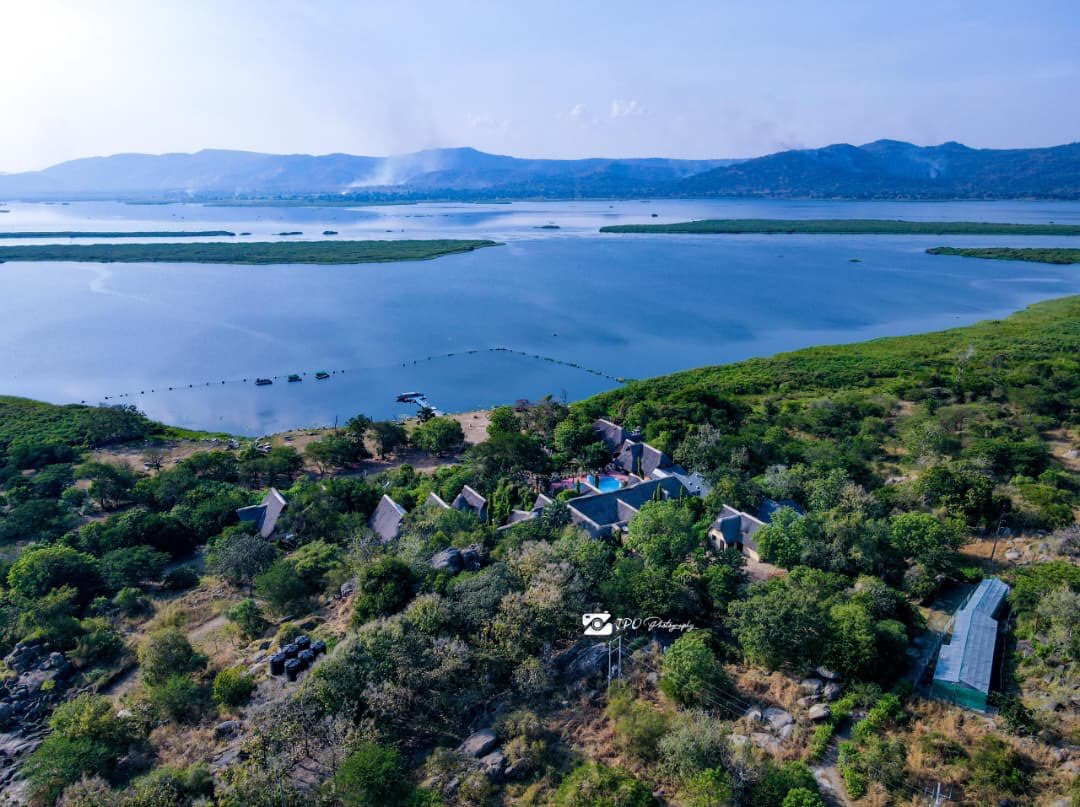
Ugandan Cabinet approved the upgrading of more four wildlife reserve to national park status, according to the Cabinet Minister of Tourism and Wildlife Antiquity, Tom Butime. The approval has increased the number of national parks.
The decision aims to strengthen legal protections against poaching and encroachment while diversifying Uganda’s tourism offerings. The Uganda Wildlife Authority (UWA) will now manage these areas with enhanced conservation resources.
The newly upgraded wildlife reserves are;
- Katonga Wildlife Reserve
- Toro-Semliki Wildlife Reserve
- Echuya Wildlife Reserve
- Kigezi Wildlife Reserve
Butime also noted that Kyambura Wildlife Reserve — which forms part of the greater conservation area of Queen Elizabeth National Park — has been approved for upgrade to national park status.
In addition, Bukaleba Forest Reserve in Mayuge District has been approved to become a wildlife reserve.
The minister described the approvals as “real achievements,” emphasizing that expanding protected areas will enhance biodiversity conservation, strengthen ecosystem management, and increase Uganda’s competitiveness as a tourism destination.
Pian Upe and Bugoma Still Under Consideration
However, Butime acknowledged that Cabinet did not approve proposals concerning Pian Upe Wildlife Reserve and Bugoma Central Forest Reserve.
“We did not succeed with Pian Upe and Bugoma Central Forest Reserve, but I can assure you the struggle will continue until Pian Upe becomes a national park and until Bugoma is declared a national park. We shall continue fighting and we will definitely succeed,” he said.
The potential elevation of these areas has been a subject of conservation advocacy, particularly in light of pressures related to land use and environmental degradation.
Butime made the remarks while addressing top management in the tourism sector, calling for renewed commitment toward implementing the National Development Plan IV and the government’s 10-fold growth strategy.
Tourism has been identified as one of Uganda’s strategic “ATM sectors,” with ambitious targets to grow the sector fivefold and generate up to $50 billion in revenue over the long term.
“This is not business as usual. It demands that tourism must transform, compete and succeed in the increasingly global environment,” Butime said, noting that the sector recorded notable growth in the concluded year.
He said the recent approvals provide renewed confidence and a strong foundation for continuity in implementing policies aligned with Uganda’s Vision 2040 development agenda.
The minister also challenged new leadership at the Uganda Wildlife Authority (UWA) and the Uganda Tourism Board (UTB) to sustain and accelerate the sector’s growth momentum.
“I will very soon congratulate the new CEO of UTB because I have seen the decision of the Board and very soon the letter will come,” Butime revealed.
The elevation of additional conservation areas to national park status is expected to increase Uganda’s inventory of premium tourism products, attract higher-value visitors, and enhance conservation financing mechanisms.
If approved by Parliament, the move will further entrench Uganda’s positioning as one of Africa’s leading eco-tourism destinations, leveraging its rich biodiversity and protected landscapes as a catalyst for sustainable economic transformation.
Briefly about the upgraded national parks
Toro-Semliki National Park
This stunning reserve is stretched on an area of 542km2, and is located in Bundibugyo western Uganda, it features a mix of savannah and forest near the Rwenzori Mountains.
Katonga National Park
The reserve is located in central Uganda (Kyenjojo and Kamwenge districts), this ~207
area protects vital wetland and papyrus ecosystems.
Kigezi National Park:
The 265km2 savannah corridor in southwestern Uganda that facilitates wildlife movement between Queen Elizabeth National Park and the Ishasha sector.
Echuya National Park:
This tiny 34–37km2 consists of high-altitude montane and bamboo forest in the Albertine Rift, critical for rare birdlife and Batwa cultural heritage.